
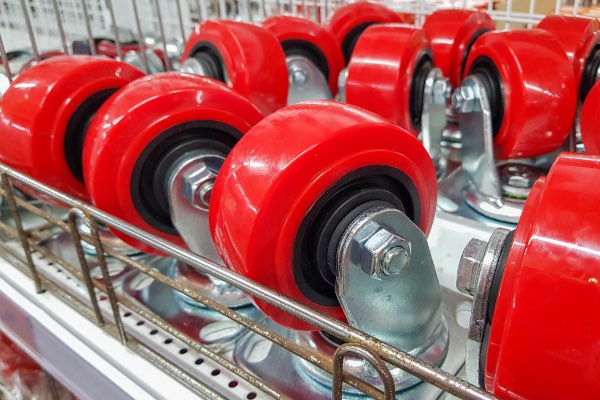
Importance of Weight Limits in Caster Wheel Design
Design and material composition matter, but rated load is one of the most important limits for caster lifespan. The rating should be checked against the actual equipment weight, carried goods, number of casters, floor condition, movement frequency, and load distribution. For load calculation details, review Inford’s caster wheel load capacity guide.Understanding the Mechanics Behind Weight Limits
Material Composition of Caster Wheels
Caster wheels are made from rubber, polyurethane, nylon, metal, and other materials. Each material reacts differently to load, floor surface, chemicals, moisture, temperature, impact, and noise requirements. The wheel material should be selected with both weight limit and operating environment in mind. For a broader comparison, see Inford’s caster wheel material selection guide.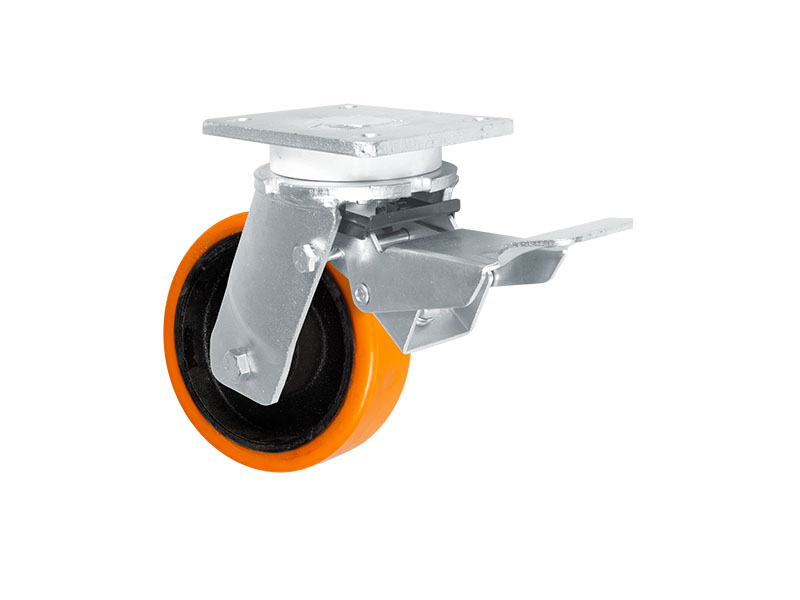
Heavy Duty Metal Swivel Caster
Stress and Strain: How Weight Affects Durability
When an object exceeds the rated weight limit of a caster wheel, the extra force can deform the tread, overload the bearing, bend the bracket, loosen fasteners, or increase rolling resistance. Even when the caster does not fail immediately, repeated overload can shorten service life and make movement less predictable.Factors That Influence Caster Wheel Longevity
Frequency of Use and Load Variation
Frequency of use and load variation have a strong effect on caster wheel longevity. A caster that occasionally carries a moderate load will usually age differently from one that moves near its rated limit all day. Repeated starts, stops, turns, impact, and floor transitions can increase stress even when the static load appears acceptable.Environmental Conditions: Temperature, Moisture, and Surface
Environmental factors such as temperature fluctuations, moisture levels, and surface conditions can either extend or diminish a caster wheel’s lifespan. Exposure to extreme temperatures, corrosive chemicals, or abrasive surfaces can expedite wear and compromise performance. For instance, caster wheels used in industrial settings with high humidity and chemical exposure tend to have shorter lifespans compared to those used in controlled environments.Consequences of Exceeding Weight Limits
Immediate Effects on Performance
Exceeding weight limits can quickly affect performance. Users may notice harder pushing, reduced maneuverability, increased friction, wheel flattening, bearing noise, brake issues, or irregular tread wear. These symptoms should be treated as early warning signs instead of normal operation.Long-term Damage and Cost Implications
The consequences of surpassing weight limits extend beyond immediate performance degradation. Long-term overload can damage the wheel, bearing, axle, swivel section, mounting plate, and the equipment frame itself. It can also increase downtime because replacement becomes more frequent and less predictable.
Best Practices for Maximizing Caster Wheel Longevity
Regular Inspection and Maintenance
A proactive inspection routine can help extend caster wheel lifespan. Regularly check load assumptions, wheel wear, bearing condition, mounting hardware, swivel movement, brake function, and floor damage. If a caster repeatedly wears early, the issue may be load, floor condition, wheel material, or mounting alignment rather than the wheel alone.Matching Weight Limits to Specific Applications
Finally, aligning weight limits with specific applications improves performance and reliability. Select caster wheels based on anticipated load, load distribution, floor surface, movement frequency, environment, mounting style, and required safety margin. For heavier applications, Inford’s high load capacity caster wheels guide gives additional selection context.Conclusion
Understanding the impact of weight limits on caster wheel longevity helps buyers avoid under-rated wheels, poor mounting decisions, and preventable downtime. The safest approach is to calculate the real load, choose the right material and bearing, inspect the caster regularly, and replace wheels before wear becomes a safety issue.Caster Wheel Weight Limit Checklist
- Total load: include the equipment, carried goods, attachments, and temporary overload conditions.
- Load distribution: check whether all casters carry weight evenly or whether one side carries more.
- Dynamic conditions: account for turning, braking, impacts, thresholds, slopes, and uneven flooring.
- Wheel material: match the wheel to floor protection, noise, chemicals, moisture, temperature, and load.
- Bearing type: compare plain, ball, and roller bearing options for push force and maintenance needs.
- Swivel or rigid layout: choose the layout based on turning radius, tracking, and load stability.
Maintenance Signs That Weight Limits Are Wrong
- The caster becomes harder to push under the same load.
- The wheel develops flat spots, cracks, uneven wear, or heat marks.
- The bearing becomes noisy or rough.
- The mounting plate, stem, or fasteners loosen repeatedly.
- The equipment drifts, vibrates, or becomes difficult to steer.
If these signs appear repeatedly, review both the weight limit and the full caster system. The issue may involve the wheel, bearing, bracket, mounting method, floor surface, or operating environment.
FAQ About Caster Wheel Weight Limits
Can I use a caster at its maximum weight limit every day?
It is better to use a safety margin, especially for frequent movement, uneven floors, turning, braking, or impact. Constant operation near the limit can shorten service life.
Do wheel materials change caster lifespan?
Yes. Rubber, polyurethane, nylon, and metal wheels respond differently to load, flooring, chemicals, moisture, and temperature. Material mismatch can cause early wear even when the load rating seems adequate.
Does bearing type affect weight limit performance?
Yes. Bearing type affects rolling resistance, push force, heat, maintenance, and performance under load. For bearing selection, see Inford’s plain bearing vs ball bearing casters comparison.