
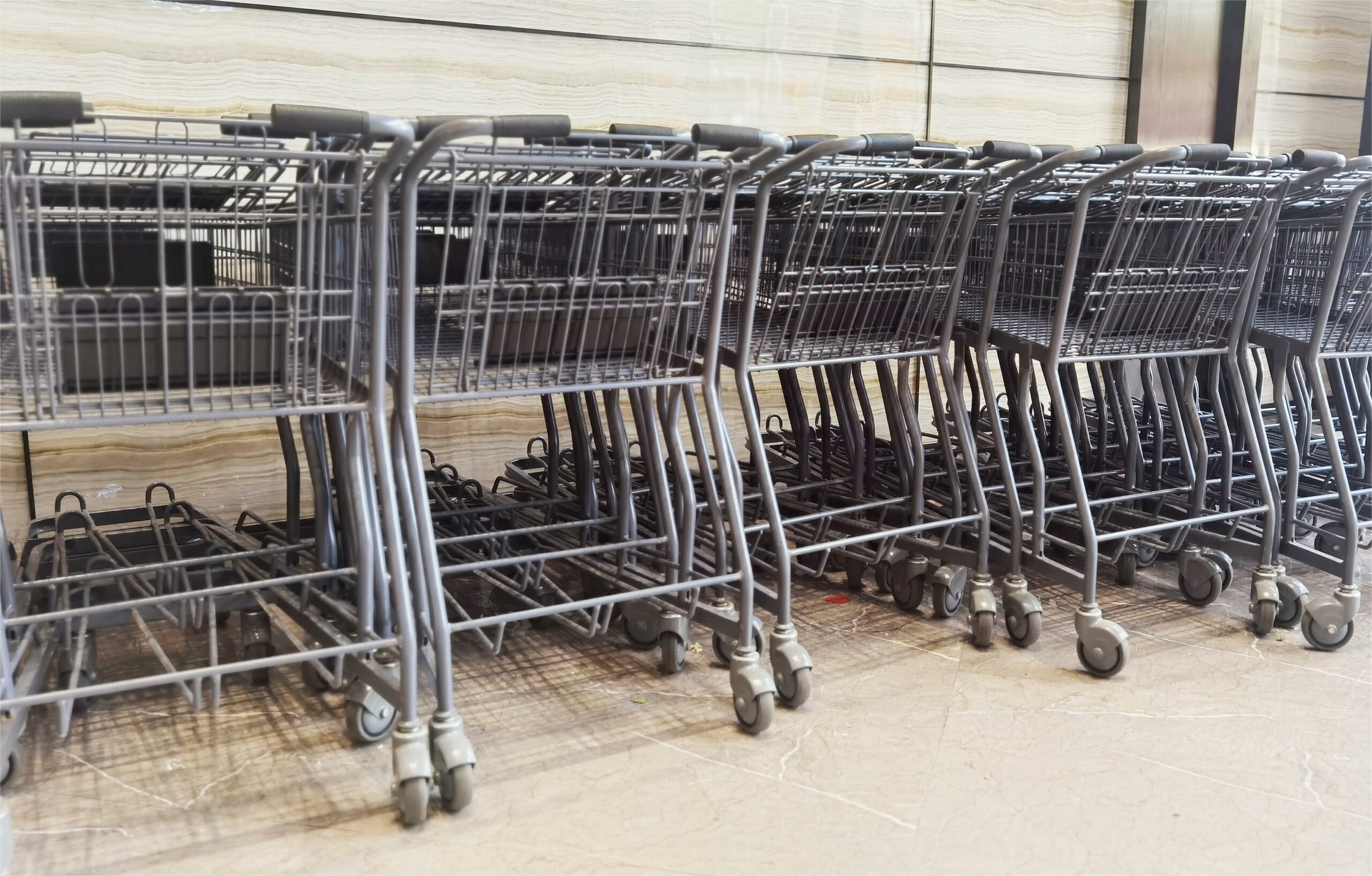
Shopping Cart Caster for Retail Mobility and Store Efficiency
A shopping cart caster is a small component with a direct effect on customer experience, cart control, store noise, floor protection, and long-term cart maintenance. When a cart is easy to steer through aisles, entrances, checkout lanes, and crowded walkways, shoppers feel less friction and store teams spend less time dealing with unstable or noisy carts.
The Inford Shopping Cart Caster Series is designed for retail carts, supermarket carts, walkways, and specialty cart applications. The series includes 75 mm, 100 mm, and 125 mm diameter options, with a listed load capacity range from 70 kg to 120 kg. For buyers comparing cart mobility options, the practical selection factors are wheel diameter, total cart load, wheel material, braking needs, floor surface, noise expectations, and the maintenance environment.

Key Shopping Cart Caster Specifications
The original shopping cart caster page listed three wheel diameter options: 75 mm, 100 mm, and 125 mm. A larger wheel can generally roll more easily over small floor gaps, entrance transitions, or uneven surfaces, while a smaller wheel may suit compact cart designs where height is limited. The correct choice should be matched with cart size, aisle layout, expected load, and the space available around the mounting area.
The load capacity range is 70 kg to 120 kg. For retail use, the caster should not be selected only by an empty cart weight. Buyers should also consider the cart frame, basket size, expected product load, and whether carts are frequently nested, pushed in groups, or used near entrances. For a broader explanation of load planning, see Inford’s caster wheel load capacity guide.
- Diameter options: 75 mm, 100 mm, and 125 mm.
- Load capacity range: 70 kg to 120 kg.
- Regular colors: light grey, dark grey, black, and other common options.
- Custom color support: available for brand image or store decor alignment.
Wheel Material Options: TPR, PP, PU, and Nylon
Inford shopping cart casters are available with TPR, PP, PU, and nylon wheel material options. Each material changes the way a cart feels, sounds, and wears during daily retail use. The best choice depends on flooring, expected noise level, load, cleaning routine, and how frequently the cart is pushed through entrances or high-traffic aisles.

- TPR wheels: useful when shock absorption and reduced rolling noise are important for a quieter shopping environment.
- PP wheels: a durable option for retail teams that need wear resistance in regular cart movement.
- PU wheels: suitable when buyers want a balance of load-bearing capacity and floor protection.
- Nylon wheels: practical for demanding conditions where strength and chemical resistance are priorities.
If your team is comparing wheel materials across several types of equipment, the caster wheel material selection guide can help connect shopping cart caster choices with broader business applications.
How to Choose Shopping Cart Casters for Retail Use
Retail shopping cart casters should be chosen around how the cart is actually used. A supermarket with polished indoor floors may prioritize quiet rolling and smooth steering. A store with entrance ramps, tiled transitions, or outdoor cart return areas may need more attention to wheel diameter, durability, and floor impact. A specialty cart may need a different balance between load, steering control, and appearance.
For a deeper product-category overview, see the related shopping cart casters guide. For retail operations and customer-flow context, see Inford’s article on shopping cart casters for retail efficiency.
- For smoother customer movement: review wheel material, swivel performance, and whether the caster stays stable during turning.
- For quieter stores: consider TPR or other material choices that reduce vibration and rolling noise.
- For heavier cart loads: confirm the caster load range against real operating conditions, not only the empty cart.
- For brand consistency: use regular or customized colors to match the cart frame and store environment.
- For safety: review braking needs and whether carts need to stay still while customers browse.
Braking, Safety, and Cart Control
The original page notes that easy braking helps customers secure carts while browsing and prevents unintended movement. This is especially important in busy aisles, entrance areas, checkout zones, and any location where a cart might be left briefly while a shopper picks up goods. A shopping cart caster should support smooth movement, but it should also help the cart stay predictable when it needs to stop.

For store teams, safety also includes reducing cart noise, avoiding unstable steering, and selecting a wheel material that works with the floor surface. A caster that is too hard, too noisy, or under-rated for the load can create customer complaints and increase maintenance work over time.
Maintenance Checklist for Shopping Cart Casters
Even a well-selected shopping cart caster needs routine inspection. Retail carts are used repeatedly, pushed by different customers, nested together, and exposed to debris from entrances and aisles. A simple inspection routine helps protect the shopping experience and reduces the chance of carts becoming noisy, difficult to steer, or unsafe.
- Check whether the wheel rolls smoothly without wobbling or dragging.
- Remove thread, packaging debris, or floor residue around the wheel and swivel area.
- Inspect brakes where fitted and confirm they hold the cart reliably.
- Review wheel wear and replace casters before damaged wheels affect floor protection or steering.
- Compare recurring failures with load, flooring, cleaning chemicals, and cart return conditions.
FAQ About Shopping Cart Casters
What size shopping cart caster does Inford offer?
The Inford Shopping Cart Caster Series includes 75 mm, 100 mm, and 125 mm wheel diameter options. The right size depends on cart design, floor conditions, and expected load.
What is the load capacity range?
The listed load capacity range is 70 kg to 120 kg. Buyers should confirm real operating load, cart frame weight, and how the carts are used before final selection.
Which wheel material is best for quiet shopping carts?
TPR is often selected when shock absorption and lower rolling noise are important. The final choice should still be checked against flooring, load, and maintenance conditions.
Can the caster color be customized?
Yes. In addition to regular colors such as light grey, dark grey, and black, customized colors are available for brand image or store decor requirements.