
Assembly line caster selection directly affects material flow, worker effort, equipment stability, and maintenance downtime. A caster that works well on one station may fail quickly on another if the load, floor surface, movement pattern, or environment is different. This guide explains how to choose casters for assembly line operations by reviewing load capacity, mobility needs, wheel materials, ergonomics, maintenance, and supplier support.
For manufacturing teams, the goal is not simply to buy a stronger caster. The better goal is to match each caster to the actual work cell: how often equipment moves, how much weight it carries, what floor it rolls across, and how operators interact with it during a shift.
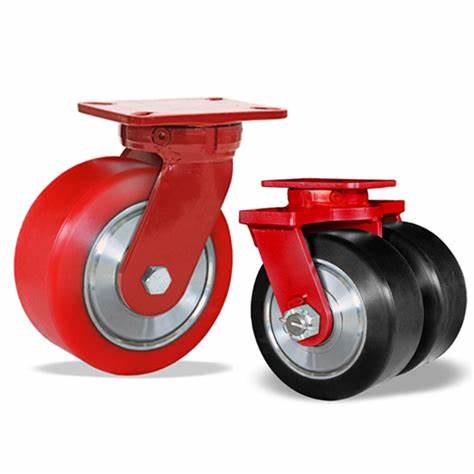
Understanding Your Application Requirements
The first step in assembly line caster selection is to define the working conditions clearly. Before comparing wheel materials or brake types, document the real demands at each station:
- Load capacity: Determine the maximum weight the casters will need to support, including both the equipment and any additional loads.
- Mobility needs: Evaluate the level of maneuverability required, such as swiveling capabilities, shock absorption, or noise reduction.
- Floor conditions: Assess the type and condition of the flooring, as different surfaces may require specific wheel materials and tread designs.
- Environmental factors: Consider temperature extremes, chemical exposure, and other environmental conditions that could impact caster performance.
Clear requirements make caster comparison more accurate. They also reduce the risk of choosing a wheel that is strong enough on paper but unsuitable for the actual floor, movement frequency, or operator workflow.
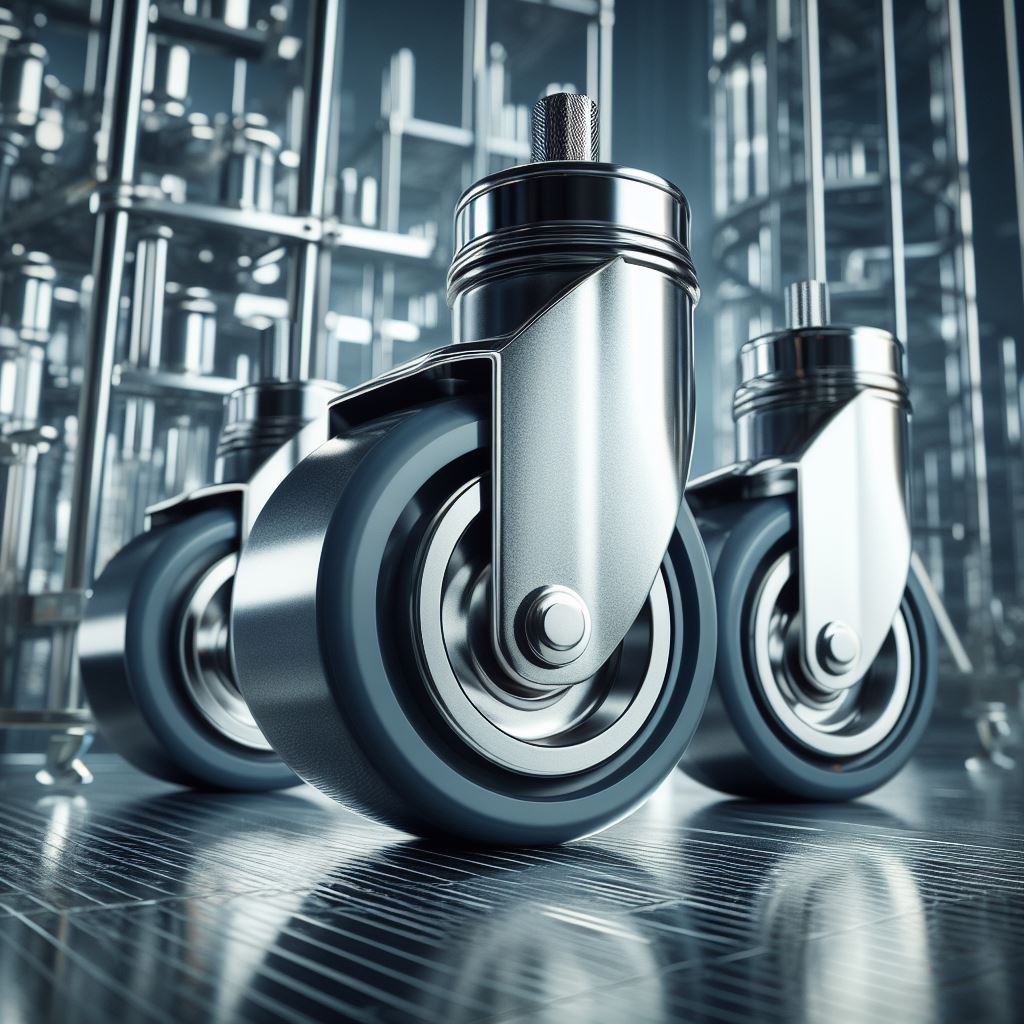
Selecting the Right Wheel Material
Wheel material affects rolling resistance, noise, floor protection, chemical resistance, and service life. Common options for assembly line caster wheels include:
- Polyurethane: Offers excellent durability, quiet operation, and resistance to chemicals and abrasion. Inford Caster’s polyurethane wheels are ideal for applications requiring a balance of strength and floor protection.
- Rubber: Provides superior shock absorption and traction, making it ideal for uneven surfaces or heavy loads. Our rubber wheels ensure smooth, stable movement even in challenging conditions.
- Steel: Delivers maximum load capacity and durability in demanding industrial environments. Inford Caster’s steel wheels are engineered to withstand the rigors of heavy-duty applications.
- Nylon: Lightweight yet strong, nylon wheels are resistant to chemicals and suitable for a wide range of applications. Our nylon wheels offer a cost-effective solution without compromising on performance.
Use the application requirements from the first section to narrow the material choice. For example, a smooth indoor line may prioritize quiet rolling and floor protection, while a heavy industrial station may need higher load capacity or stronger resistance to chemicals and abrasion.
Ergonomic Considerations
Ergonomics matter because workers may push, position, lock, and unlock mobile equipment many times per shift. When selecting casters, consider features that reduce force and improve control:
- Swivel locks: Allow workers to easily lock casters in place for stationary tasks, reducing strain and improving stability. Inford Caster’s swivel lock options provide secure, user-friendly locking mechanisms.
- Ergonomic handles: Provide a comfortable grip and reduce the force required to move heavy loads. Our ergonomically designed handles prioritize operator comfort and ease of use.
- Shock-absorbing casters: Minimize vibrations and reduce operator fatigue, particularly on uneven surfaces. Inford Caster’s shock-absorbing casters ensure smooth, comfortable movement for your workers.
Good ergonomic caster choices can reduce unnecessary pushing force, improve stability during stationary work, and make repeated equipment movement easier for operators.
Maintenance and Durability
Caster maintenance should be considered before purchase, especially on assembly lines where downtime can affect multiple workstations. Review these durability and service factors:
- Sealed bearings: Opt for casters with sealed bearings to prevent contamination and extend service life. Inford Caster’s sealed bearing options ensure reliable, low-maintenance operation.
- Corrosion resistance: Choose casters with corrosion-resistant finishes or materials for wet or chemically harsh environments. Our corrosion-resistant caster offerings provide long-lasting performance in challenging conditions.
- Easy maintenance: Look for casters with accessible lubrication points and replaceable components for simplified maintenance. Inford Caster designs our products with ease of maintenance in mind, helping you keep your assembly line running smoothly.
A caster that is easier to inspect, clean, lubricate, or replace can reduce long-term operating cost. For heavy or outdoor-adjacent production equipment, see Inford’s heavy-duty outdoor caster example for a related industrial caster configuration. This is especially important for lines exposed to dust, moisture, chemicals, or frequent load changes.
Partnering with a Trusted Manufacturer
For complex assembly line operations, supplier support can be as important as the caster specification itself. A reliable caster partner should provide:
- Extensive experience: Look for a manufacturer with a proven track record in your industry and application type. With over a decade of experience, Inford Caster has the knowledge and expertise to meet your specific needs.
- Customization options: Choose a partner that can tailor caster solutions to your specific requirements. Inford Caster offers a wide range of customization options to ensure the perfect fit for your assembly line.
- Technical support: Opt for a manufacturer that provides expert guidance and after-sales support to ensure optimal performance. Inford Caster’s dedicated technical support team is always ready to assist you with any questions or concerns.
The right supplier should help connect the technical details with the actual production environment, so the final caster choice supports safety, movement efficiency, and maintenance planning.
Frequently Asked Questions
What factors should I consider when selecting casters for my assembly line?
When selecting casters for your assembly line, consider factors such as load capacity, mobility needs, floor conditions, environmental factors, ergonomics, maintenance requirements, and durability. Assessing these aspects will help you choose the most suitable casters for your specific application.
How do I determine the load capacity I need for my casters?
To determine the required load capacity, calculate the maximum weight the casters will need to support, including the weight of the equipment and any additional loads. It’s essential to choose casters with a load capacity that exceeds your maximum weight requirements to ensure safe and reliable operation.
What wheel materials are best suited for my assembly line environment?
The best wheel material for your assembly line depends on your specific requirements. Polyurethane offers durability and resistance to chemicals, rubber provides shock absorption and traction, steel delivers maximum load capacity, and nylon is lightweight and chemical-resistant. Consider factors such as floor conditions, environmental factors, and load requirements when selecting the most appropriate wheel material.
How can I ensure my casters are ergonomic for my workers?
To ensure ergonomic casters for your workers, look for features such as swivel locks for improved stability during stationary tasks, ergonomic handles for comfortable grip and reduced force requirements, and shock-absorbing casters to minimize vibrations and operator fatigue. Prioritizing ergonomic features can create a safer and more comfortable work environment.
What maintenance considerations should I keep in mind when choosing casters?
When choosing casters, consider maintenance factors such as sealed bearings to prevent contamination and extend service life, corrosion-resistant finishes or materials for harsh environments, and easy access to lubrication points and replaceable components for simplified maintenance. Investing in low-maintenance casters can help reduce long-term costs and ensure reliable performance.
Conclusion
Assembly line caster selection should start with the operating conditions, not with a generic wheel size. Load capacity, movement frequency, floor surface, environmental exposure, ergonomics, and maintenance access all shape the best caster choice.
When these factors are reviewed together, manufacturers can choose casters that support smoother movement, more stable positioning, longer service life, and safer daily operation.
Need help matching casters to an assembly line application? Contact Inford Caster with your load, floor, environment, and mobility requirements so the team can recommend a suitable caster and wheel solution.