
Introduction to Flat Furniture Casters
What are Flat Furniture Casters?
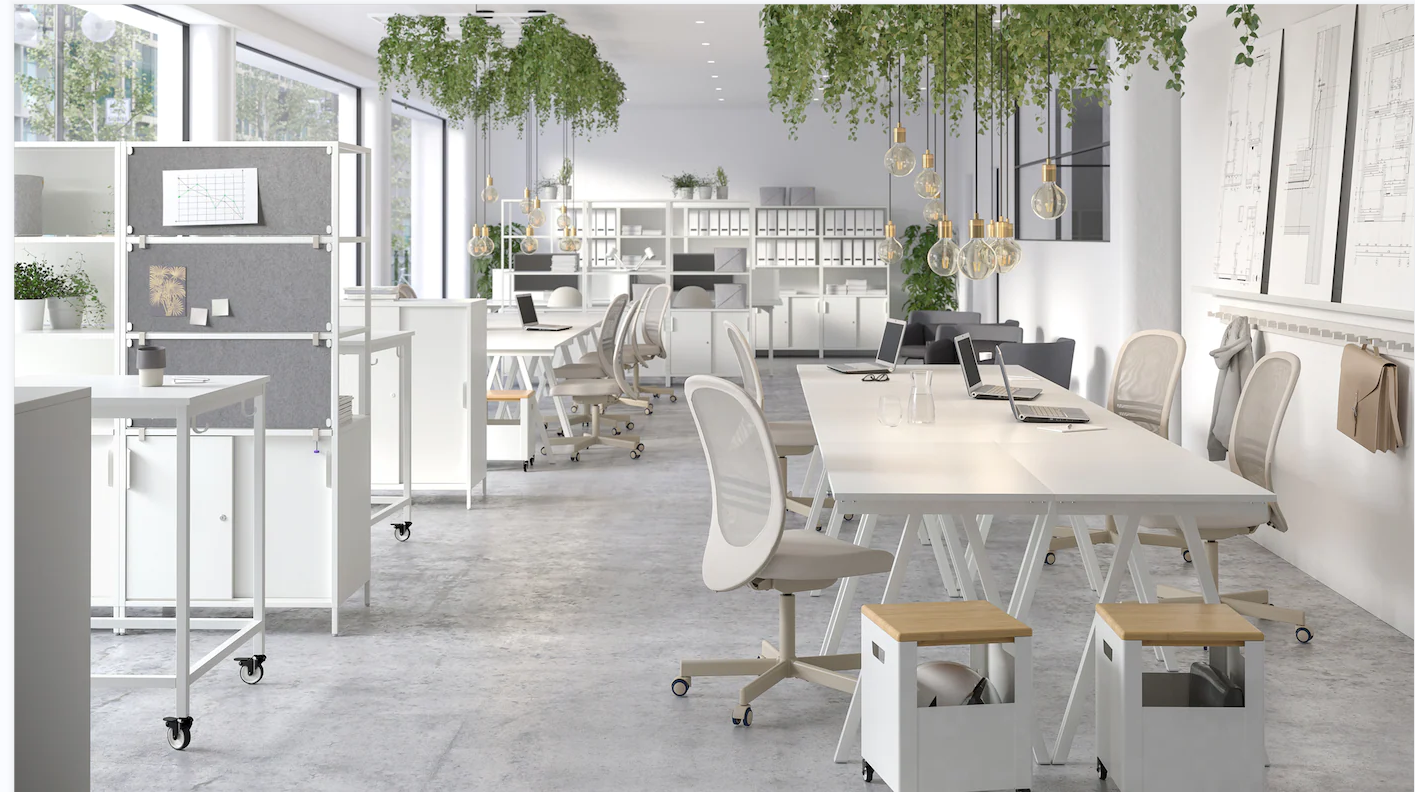
Flat furniture casters, also known as furniture wheels, are compact caster components attached to a furniture leg, base, frame, or underside panel. Their main purpose is to provide movement while keeping the overall furniture profile neat. Compared with taller industrial casters, flat furniture casters are usually selected where appearance, low height, smooth movement, and floor protection matter at the same time.Importance of Mobility in Modern Furniture
In the contemporary setting, where space comes at a premium, the ability to move furniture easily is essential. Flat furniture casters enable swift rearrangement of rooms, effortless cleaning, and efficient use of multi-functional spaces such as studios, offices, or small apartments.Types and Varieties of Flat Furniture Casters
Swivel vs. Fixed Casters
Flat furniture casters are available in swivel and fixed varieties. Swivel casters allow easier turning in tight rooms, office corners, and compact display areas. Fixed or rigid casters provide more stable straight-line movement. If your furniture needs both direction control and maneuverability, compare the tradeoffs in Inford’s rigid caster vs swivel caster guide.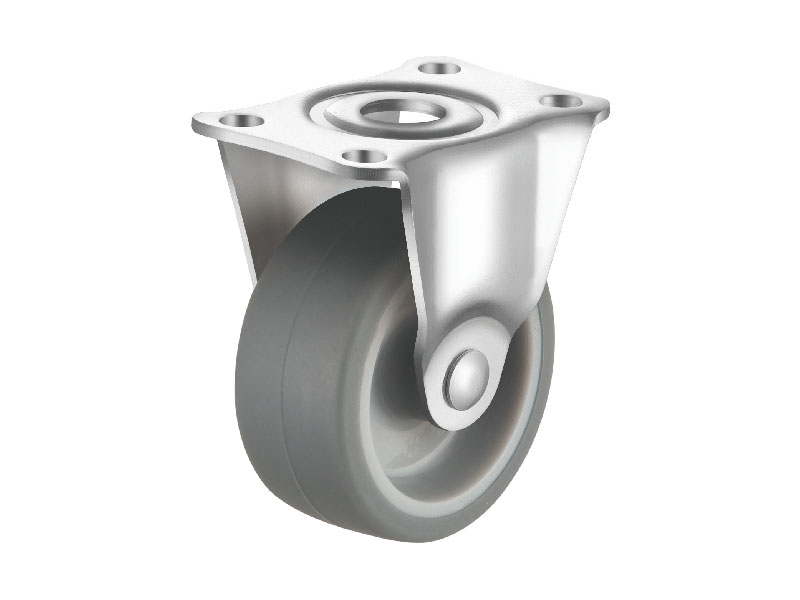
Rigid caster for furniture
Materials and Durability
Flat furniture casters can use rubber, plastic, polyurethane, nylon, or metal components depending on the application. Softer wheel materials can help reduce noise and protect finished floors, while harder materials may offer durability where loads or cleaning conditions are more demanding. For a deeper comparison, review Inford’s caster wheel material selection guide.Load Capacity and Size Considerations
When selecting flat furniture casters, calculate the furniture weight, expected stored load, number of casters, floor surface, and how often the furniture will move. A caster that is under-rated may roll poorly, wear faster, or make the furniture unstable. For load planning details, see Inford’s caster wheel load capacity guide.Advantages of Using Flat Furniture Casters
Enhanced Mobility and Convenience
The primary advantage of flat furniture casters is their ability to transform static furniture into mobile units. Whether it’s shifting a heavy cabinet for cleaning or reconfiguring a workspace, these casters provide unmatched convenience.Protecting Floors and Surfaces
Flat furniture casters are designed to glide smoothly across floors without causing damage. They distribute weight evenly, reducing the risk of scratches, scuffs, or dents that can occur when furniture is dragged or lifted.Space Optimization and Flexibility
By incorporating flat furniture casters, even large or bulky pieces can be moved or repositioned to adapt to changing needs. This flexibility is especially valuable in home offices, shared studios, retail displays, hotel furniture, and compact apartments. For furniture designs where the wheel should be less visible, compare flat options with hidden caster wheels for furniture.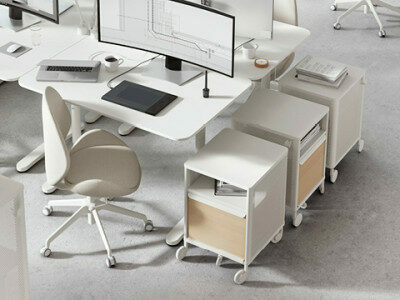
Considerations When Choosing Flat Furniture Casters
Weight Capacity and Application
Before choosing flat furniture casters, assess the weight-bearing capacity required for your furniture. Select casters that can comfortably support the load without compromising mobility or stability.Floor Surface Compatibility
Consider the type of flooring where the furniture will be used. Some casters are specifically designed for carpeted surfaces, while others excel on hardwood, tile, or laminate floors, providing optimal performance and minimizing wear and tear.Noise Reduction and Stability
For environments where noise is a concern, opt for flat furniture casters equipped with noise-reducing features such as rubberized treads. Additionally, prioritize casters that offer stability, especially for furniture that requires minimal movement.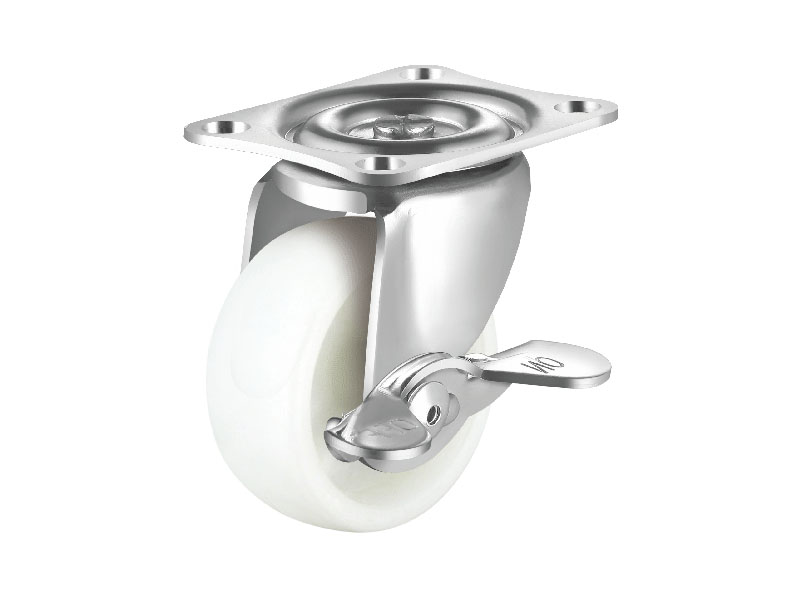
Swivel caster with metal side brake
Maintenance Tips for Flat Furniture Casters
Regular Cleaning and Lubrication
To ensure smooth operation, clean casters regularly to remove dirt and debris. Lubricate moving parts with appropriate oils or lubricants to prevent rust and maintain optimal performance.Inspection and Replacement of Worn Parts
Periodically inspect flat furniture casters for signs of wear or damage. Replace worn-out casters or components promptly to prevent further issues and extend the lifespan of your furniture.Proper Installation and Adjustment
Follow manufacturer guidelines for installing and adjusting flat furniture casters. Ensure that casters are securely attached and properly aligned to maximize stability and functionality.Conclusion
Flat furniture casters offer a practical and innovative solution for modern living spaces. From enhancing mobility and flexibility to protecting floors and optimizing space, these versatile components play a crucial role in creating functional and adaptable environments. By understanding the benefits and considerations associated with flat furniture casters, individuals can make informed decisions to elevate the usability and efficiency of their furniture arrangements.Flat Furniture Caster Selection Checklist
Use the following checklist before choosing flat furniture casters for a home, office, retail, or hospitality furniture project.
- Furniture type: confirm whether the caster is for a cabinet, table, display stand, storage unit, chair, or mobile work surface.
- Total load: include the furniture body, stored goods, and any dynamic load during movement.
- Floor surface: check hardwood, tile, laminate, carpet, concrete, or mixed surfaces before choosing wheel material.
- Movement direction: choose swivel casters for tight turns and fixed casters for straight-line stability.
- Brake requirement: add a brake when the furniture must stay in place during use.
- Visual requirement: choose a low-profile or hidden caster when the design should remain clean and discreet.
Common Applications in Modern Living Spaces
Flat furniture casters are useful anywhere furniture needs to move without turning the room into an industrial workspace. Common applications include mobile storage cabinets, movable desks, display shelves, kitchen carts, cleaning-access furniture, modular office furniture, and retail fixtures that need to change layout quickly.
A related Inford product example is the J11NNPA050SB1 furniture caster, which can help readers connect the selection logic to an actual furniture caster configuration.
FAQ About Flat Furniture Casters
What are flat furniture casters used for?
They are used to make furniture easier to move, clean around, reposition, or adapt to changing room layouts while keeping the furniture profile relatively low and neat.
Should flat furniture casters be swivel or fixed?
Swivel casters are better for tight turns and flexible layouts. Fixed casters are better when the furniture mainly moves in one direction and needs more straight-line stability.
How do I protect floors when using furniture casters?
Choose the wheel material based on the floor surface, avoid overloading the caster, clean debris from the wheel area, and replace worn casters before they scratch or mark the floor.