Best Outdoor Caster Wheels for 2026: Weather-Resistant Options for Every Application
Best Outdoor Caster Wheels for 2026: Weather-Resistant Options for Every Application
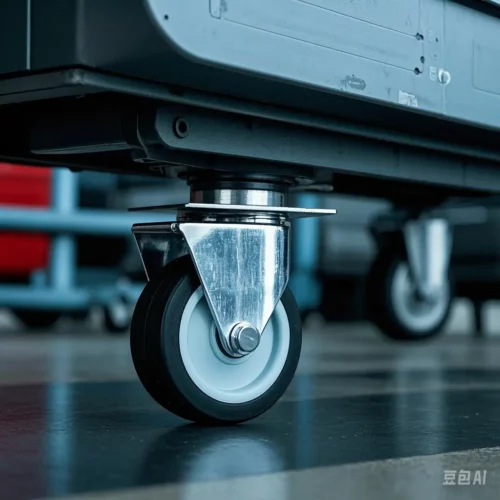
Outdoor caster wheels must handle conditions that indoor casters usually do not face: sunlight, moisture, dust, grit, uneven ground, temperature changes, and possible corrosion around brackets and bearings.
The right outdoor caster is not defined by one material alone. Wheel tread, bracket material, bearing protection, brake design, load rating, wheel diameter, and maintenance access all affect service life. A patio cart, nursery trolley, scaffolding platform, and marine dock cart may each need a different caster configuration.
This guide compares outdoor caster wheel materials, bracket choices, application scenarios, and maintenance points. For wheel material background, also review Inford’s caster wheel material guide.
What Makes a Caster Wheel “Outdoor-Ready”?
Not all casters marketed as “outdoor” are built for continuous exterior exposure. A practical outdoor caster should be checked against five conditions:
UV Resistance
Sunlight can make some wheel materials brittle or cracked over time. Outdoor applications should use wheel compounds suitable for sunlight exposure, especially when equipment is stored outside rather than used occasionally.
Corrosion Protection
Outdoor brackets and fasteners need corrosion resistance based on the environment. Inland rain exposure, coastal salt air, pool areas, and chemical cleaning zones do not require the same bracket material. Stainless steel, galvanized steel, and suitable coated finishes should be compared against the actual exposure level.
Water and Grit Protection
Rain, standing water, sand, and dust can enter open bearing areas and increase rolling resistance. Outdoor caster selection should consider sealed or shielded bearing options where water and grit are expected.
Temperature Range
Outdoor caster wheels can be exposed to cold mornings, hot sun, and heated pavement. Check the product temperature rating instead of assuming any indoor wheel material will remain stable outside.
Terrain Compatibility
Paved surfaces, gravel, grass, compacted earth, ramps, and deck boards all create different rolling resistance and load distribution challenges. Wheel diameter, tread width, and material should be selected for the actual route.
Top 5 Outdoor Caster Materials Compared
Choosing the right material combination — wheel tread and bracket — determines outdoor lifespan. Here is how the five most common outdoor caster materials perform:
Property
Solid Rubber
Polyurethane (PU)
Pneumatic (Air-Filled)
Nylon
Phenolic
UV Resistance
★★★★★
★★★★
★★★★
★★
★★★★★
Water Resistance
★★★★★
★★★★★
★★★★
★★★★
★★★
Terrain Handling
★★★★
★★★
★★★★★
★★
★★
Load Capacity
★★★★
★★★★★
★★★
★★★★★
★★★★★
Rolling Ease on Rough Ground
★★★★
★★★
★★★★★
★★
★★
Noise Level
Low
Low
Very Low
High
Very High
Maintenance
Zero
Zero
Requires inflation
Zero
Zero
Best For
General outdoor
Commercial/industrial
Rough terrain
Dry, heavy loads
High heat + outdoor
Recommendation: Solid rubber is often a practical starting point for general outdoor use because it balances cushioning, traction, and low maintenance. Pneumatic wheels are useful for rough ground, gravel, grass, and soft earth, but they require inflation and puncture checks. For detailed pneumatic selection, see Inford’s pneumatic tire casters guide.
Bracket Material Selection for Outdoor Use
The bracket, fork, yoke, or housing is as important as the wheel itself. Outdoor bracket options should be selected by exposure level, not only by price.
Stainless Steel 304Stainless Steel 304
A common choice for many outdoor applications where rain and humidity are present. It should still be checked against cleaning chemicals, salt exposure, and required load rating.
Stainless Steel 316L
Often considered for marine, coastal, poolside, or chloride-exposed environments where corrosion resistance is more demanding. It usually costs more, so it should be specified when the environment justifies it.
Hot-Dip Galvanized Steel
A practical option for some outdoor and agricultural uses where budget matters and the environment is not highly corrosive. Confirm coating quality, fastener compatibility, and expected exposure.
Powder-Coated Steel
Useful for covered outdoor applications or lighter exposure. If coating chips expose bare steel, corrosion can begin at the damaged area, so inspection and replacement planning matter.
Best Outdoor Casters by Application
Different outdoor applications need different caster configurations:
outdoor furniture on wheels
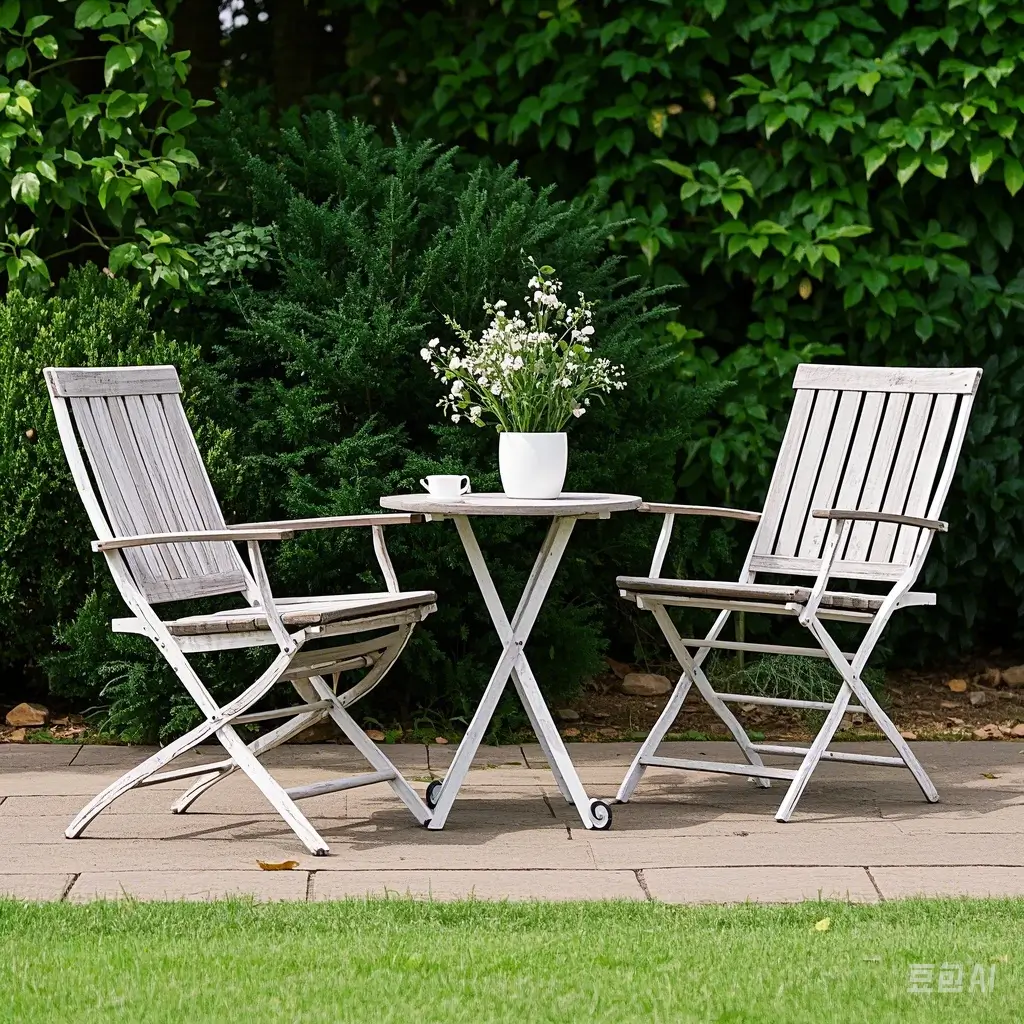
Patio & Garden Furniture
Garden dining sets, outdoor lounge chairs, plant stands, and barbecue carts all need casters that protect deck surfaces while handling rain exposure.
Wheel: Soft rubber or TPU (thermoplastic polyurethane), sized to the furniture weight and floor surface
Bracket: 304 stainless steel or powder-coated
Braking: At least two locking casters to prevent furniture movement in wind
Floor protection: Non-marking treads to avoid staining wooden decks or composite boards
Key consideration: Use swivel casters on all four positions for easy furniture rearrangement
Construction Site & Scaffolding
Scaffolding platforms, tool carts, and material handling equipment on construction sites face the harshest outdoor conditions — mud, gravel, rain, and extreme loads.
Wheel: Solid rubber or pneumatic wheels, with diameter selected for rough terrain clearance
Bracket: Hot-dip galvanized or 304 stainless, kingpinless design for extreme loads
Load capacity: confirm per-caster rating from the actual platform load and safety requirements
Braking: braking or total-lock function may be required depending on scaffolding design, local safety rules, and worksite conditions
Key consideration: Wheel diameter directly affects terrain capability — larger wheels roll over obstacles more easily
Marine & Dock Applications
Boat trailers, dock carts, kayak dollies, and marine equipment carts operate in the most corrosive outdoor environment — salt water, salt spray, and constant humidity.
Wheel: Solid rubber with protected bearings, sized to the dock cart or marine equipment load
Bracket: 316L stainless steel only — 304 will pit and corrode in salt environments
Bearing: Sealed stainless steel bearings or polymer bearings (zero corrosion)
Key consideration: Avoid unprotected zinc-plated components in salt-exposed marine environments unless the design has been reviewed for corrosion risk.
Agricultural & Nursery Equipment
Greenhouse carts, plant transport trailers, seed spreaders, and farm utility carts need outdoor casters that handle soft ground without sinking.
Wheel: Pneumatic (air-filled) for soft ground, or wide-tread solid rubber for compacted surfaces
Bracket: Hot-dip galvanized (cost-effective for agricultural budgets)
Braking: Optional — directional locks useful for greenhouse aisle navigation
Key consideration: Wider tread designs can help distribute weight and reduce sinking into wet soil or gravel
How to Choose Outdoor Casters — Selection Checklist
Use this checklist before purchasing outdoor casters:
☐ 1. Define the surface: paved concrete, gravel, grass, soft earth, ramp, threshold, or deck boards.
☐ 2. Calculate load: include the equipment, carried goods, uneven load distribution, and movement conditions. For calculation method, review caster wheel load capacity.
☐ 3. Assess exposure level: direct rain, sun, salt air, cleaning chemicals, mud, and storage conditions.
☐ 4. Check wheel material: match rubber, polyurethane, pneumatic, nylon, or other materials to floor, load, and maintenance needs.
☐ 5. Verify bearing protection: choose bearing protection based on water, grit, and cleaning requirements.
☐ 6. Confirm braking needs: outdoor carts, scaffolding, and sloped areas may need brakes or total-lock casters. For brake types, see swivel caster with brake.
Frequently Asked Questions About Outdoor Caster Wheels
Q: Can I use indoor casters outside?
Only for very limited, temporary use. Long-term outdoor use should be matched to sunlight, rain, dirt, bearing protection, and bracket corrosion requirements.
Q: What is the best caster wheel for gravel and uneven ground?
Pneumatic casters are often a strong choice for gravel, grass, and uneven terrain because the air-filled tire helps absorb surface irregularities. Large-diameter solid rubber wheels can be considered when lower maintenance is more important than cushioning.
Q: How long do outdoor casters last?
Service life depends on material, load, exposure, maintenance, bearing protection, and whether the caster is stored outside continuously. Avoid using a single lifespan estimate for every outdoor environment.
Q: What is the difference between 304 and 316L stainless steel casters?
Both are corrosion-resistant stainless steels, but 316L is commonly chosen for more demanding chloride or salt exposure. 304 may fit many inland outdoor applications, while coastal, marine, poolside, and certain food-processing environments may justify 316L.
Q: Do outdoor casters need maintenance?
Yes. Even low-maintenance outdoor casters should be inspected for tread wear, bearing condition, bracket corrosion, loose fasteners, and brake function. Pneumatic casters also need inflation and puncture checks.
Key Takeaways
Outdoor caster wheels should be selected by sunlight, moisture, grit, corrosion, terrain, and load conditions.
Solid rubber is often a practical general outdoor option, while pneumatic tires are useful for rougher ground.
Bracket material should match exposure: inland, covered outdoor, coastal, marine, or chemical-cleaning environments.
Wheel diameter and tread width matter on gravel, grass, ramps, thresholds, and deck boards.
Outdoor casters still need inspection for bearing condition, tread wear, bracket corrosion, fasteners, and brake function.