
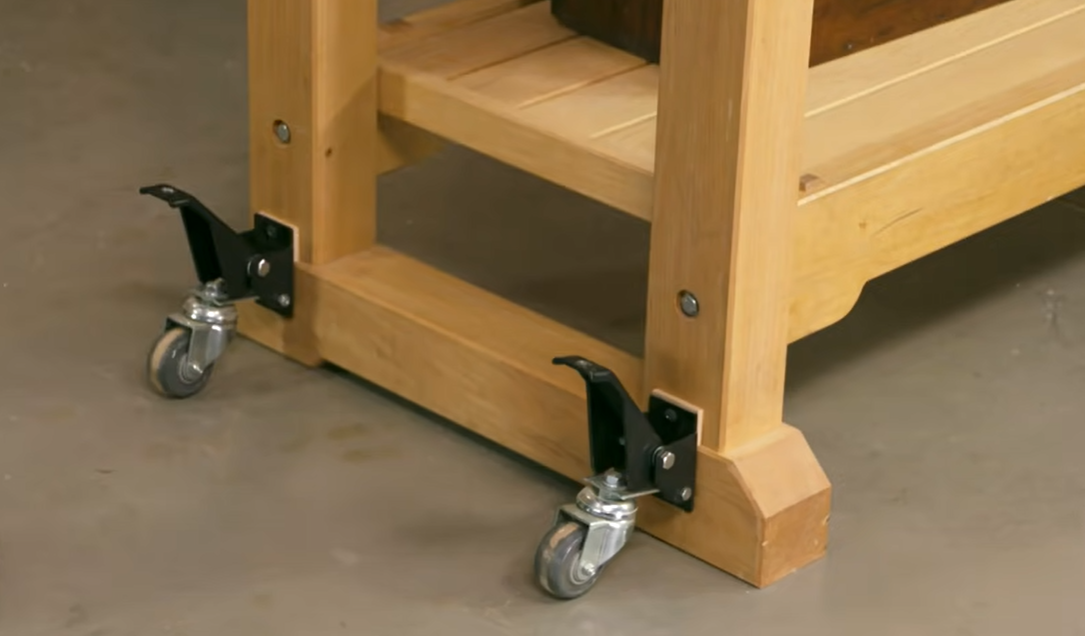
Understanding the Importance of Quality Casters
Enhancing Maneuverability
Workbench casters make it easier to reposition a bench for cleaning, project setup, storage, or shared workspace use. In crowded shops, the goal is not only movement but controlled movement. The caster should roll smoothly under load, turn predictably, and lock securely when the bench is being used.Maximizing Space Utilization
In compact workshops or garages where space is limited, the ability to move your workbench effortlessly can significantly impact productivity. By investing in sturdy casters, you can optimize your workspace layout, making the most of every square inch available. This flexibility enables you to adapt to changing project requirements without constraints.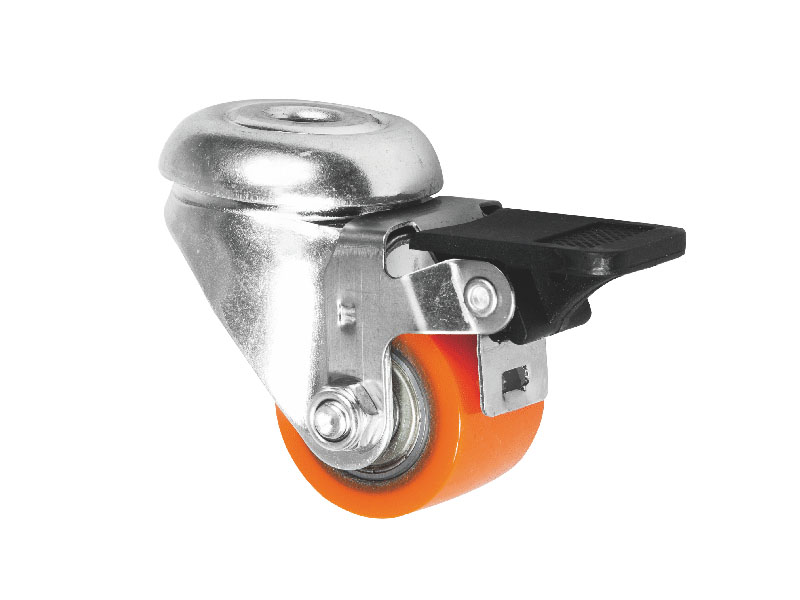
Bolt hole caster with nylon wheel brake
Factors to Consider When Choosing Workbench Casters
Load Capacity
One of the primary considerations when selecting workbench casters is load-bearing capacity. Include the bench frame, tabletop, vise, drawers, tools, stored materials, and the heaviest expected workpiece. Then divide the total load across the casters with a practical safety margin. For more detail, see Inford’s caster wheel load capacity guide.Durability and Material Quality
The longevity of your workbench casters depends on the wheel material, bracket structure, bearings, and the work environment. Nylon, polyurethane, rubber, and metal wheels behave differently on concrete, tile, epoxy, and uneven shop floors. For a broader material comparison, review Inford’s caster wheel material selection guide.Swivel vs. Fixed Casters
Workbench casters come in swivel and fixed designs. Swivel casters help the bench turn in tight workshop layouts, while fixed casters improve straight-line tracking. Many mobile workbench setups use a combination of swivel and fixed casters. If you are comparing the movement tradeoff, see Inford’s rigid caster vs swivel caster guide.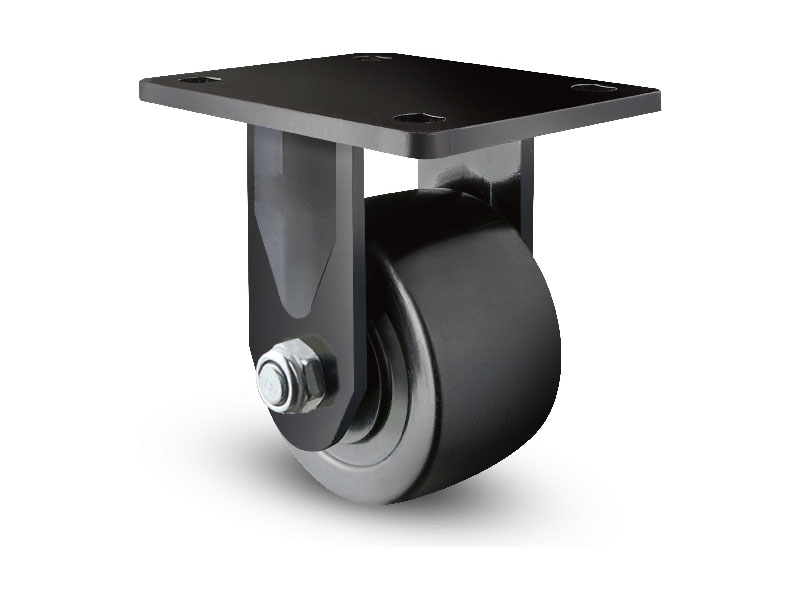
300Kg Load Capacity Fixed Casters
Locking Mechanism
A locking mechanism is essential when the bench must stay still during measuring, drilling, cutting, assembly, or storage. Side brakes, wheel brakes, directional locks, and leveling-style caster systems solve different problems. A related reference is Inford’s swivel caster with brake guide.Compatibility with Workbench Design
Before making a purchase, ensure that the casters are compatible with your workbench’s design and dimensions. Consider factors such as mounting options, wheel size, and clearance requirements to ensure a seamless integration. Investing in casters specifically designed for your workbench model ensures optimal performance and functionality.Top Recommendations for Workbench Casters
Heavy-duty Workbench Casters
For heavier benches, review the actual product rating, bracket construction, wheel material, mounting plate, and brake design instead of relying on a generic heavy-duty label. The right caster should move the bench when needed and keep it stable when the bench is in use.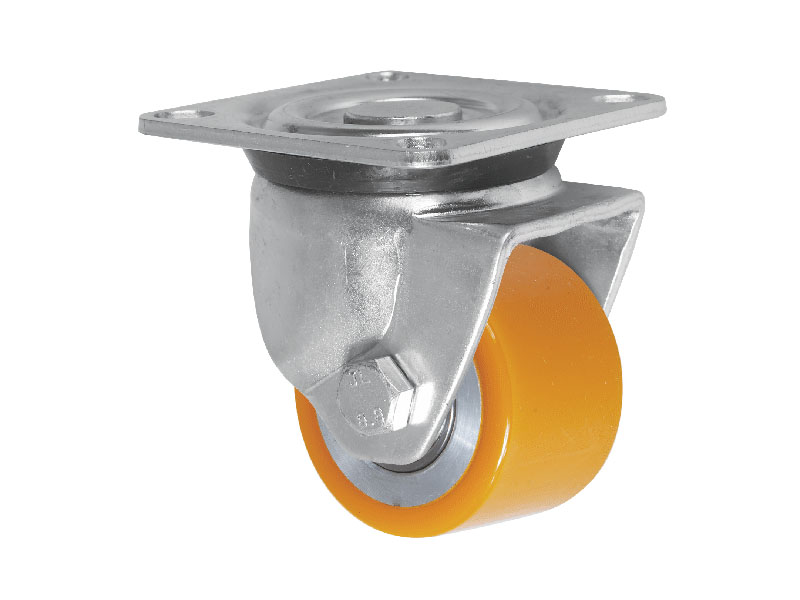
Industrial-grade Workbench Casters
Industrial-grade workbench casters should be reviewed by load rating, wheel material, bracket strength, floor conditions, and maintenance access. For workshop use, pay special attention to debris, oil, floor cracks, and whether the caster will be exposed to impact or side loading.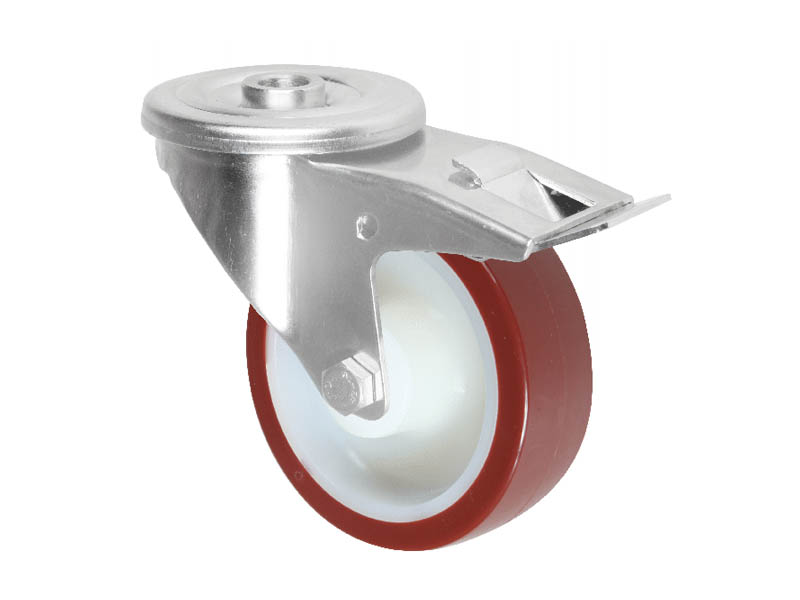
Premium Workbench Casters with Adjustable Height
If height adjustment or leveling is required, confirm the adjustment range, load rating, locking method, and mounting clearance before selection. A leveling or adjustable caster can be useful for uneven floors, but it must still be matched to the bench weight and working conditions.Conclusion
Choosing the right workbench casters is essential for optimizing your workspace efficiency and productivity. By considering factors such as load capacity, durability, and compatibility, you can select the best workbench casters that meet your specific needs and preferences. Investing in high-quality casters ensures smooth movement and precise positioning, unlocking new possibilities for creativity and innovation.Workbench Caster Selection Checklist
Use this checklist before choosing casters for a mobile workbench, garage bench, assembly bench, maintenance bench, or industrial workstation.
- Total load: include the bench, tools, drawers, stored parts, and the heaviest workpiece.
- Floor surface: check concrete, epoxy, tile, uneven floors, thresholds, oil, chips, and debris.
- Movement pattern: decide whether the bench needs tight turning, straight tracking, or both.
- Brake or lock: choose wheel brakes, side brakes, directional locks, or leveling support based on how the bench is used.
- Mounting style: confirm plate size, bolt-hole spacing, clearance, and frame strength before installation.
- Wheel material: match the wheel to noise, floor protection, durability, and load requirements.
Installation and Safety Notes
Install workbench casters on a frame strong enough to carry both static and moving loads. Tighten all mounting hardware, check that the bench sits level, and test the brakes before using the bench for work. If the workbench carries heavy tools or parts, inspect the caster mounts regularly for loosening, bending, or uneven wheel wear.
FAQ About Workbench Casters
How many casters does a workbench need?
Most workbenches use four casters, but the number depends on bench size, load, frame structure, and stability needs. Long or heavy benches may require additional support points.
Should workbench casters have brakes?
Yes, brakes are strongly recommended when the bench is used for work, not only storage. The brake helps prevent unintended movement during cutting, drilling, assembly, or loading.
Are swivel or fixed casters better for a workbench?
Swivel casters improve maneuverability in tight areas. Fixed casters improve straight tracking. Many workbench setups use both, depending on the workshop layout and movement path.