
Roller bearing caster wheels are used when a caster needs to move heavier equipment with lower rolling resistance than a simple plain bore wheel. They are common in carts, industrial equipment, production fixtures, material handling frames, and other applications where the wheel must roll repeatedly under load.
The bearing is only one part of the decision. A good roller bearing caster still has to match the wheel material, axle, bracket, swivel section, brake requirement, floor condition, and expected maintenance routine. This guide explains where roller bearing caster wheels fit, how they compare with other bearing types, and what to check before selecting a caster for a heavy-duty application.
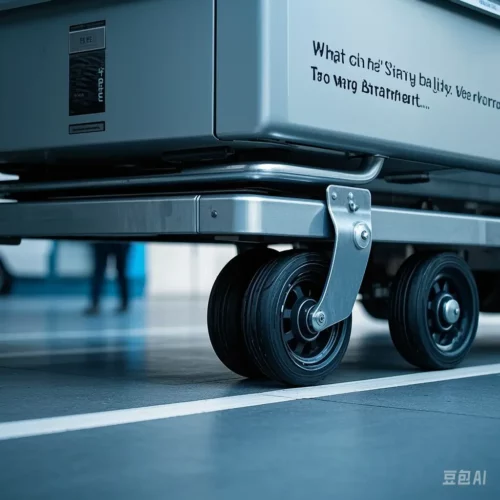
What Are Roller Bearing Caster Wheels?
Roller bearing caster wheels use cylindrical rollers inside the bearing assembly to support rotation around the axle. Compared with a plain bore wheel, the rollers can reduce friction and help the wheel start and continue rolling more smoothly when the caster is correctly sized and maintained.
In caster selection, the phrase “roller bearing” usually describes the wheel bearing, not the swivel raceway. A caster can have a roller bearing wheel and still use a different swivel structure in the fork or top plate. For that reason, buyers should review the complete caster construction rather than judging the product by the wheel bearing name alone.
When Roller Bearings Make Sense
Roller bearing caster wheels are most useful when the application has repeated movement, moderate to heavy load, and a need for controlled rolling effort.
- Material handling carts: useful when loaded carts need to be moved frequently across warehouse or production floors.
- Industrial equipment: useful for fixtures, machines, or tooling frames that are repositioned for cleaning, maintenance, or layout changes.
- Platform trucks and racks: useful when operators need smoother movement without oversizing the entire caster assembly.
- Outdoor or mixed-floor use: useful only when the wheel tread, bearing protection, and bracket finish also match the environment.
For broader industrial use cases, compare this article with Inford’s heavy-duty industrial casters guide.
Roller Bearing vs Plain Bearing vs Ball Bearing Casters
The best bearing type depends on load, speed, movement frequency, contamination risk, and maintenance access.
| Bearing type | Typical strength | Main caution |
|---|---|---|
| Plain bearing | Simple structure, economical, tolerant of some rugged use | Higher rolling effort and more friction when loads or movement frequency increase |
| Roller bearing | Good load support and smoother rolling for many heavy-duty wheel applications | Needs appropriate lubrication, axle fit, and protection from dirt or moisture |
| Ball bearing | Smooth rotation and precise movement in suitable environments | May not be the best choice for every shock-load, debris-heavy, or high-impact application |
For a related bearing comparison, see Inford’s plain bearing vs ball bearing casters article. If the application is simple, intermittent, and cost-sensitive, Inford’s plain bearing caster wheels guide may also be useful.
Load Capacity Checks Before Selecting Roller Bearing Casters
A roller bearing does not automatically make a caster suitable for any heavy load. Load capacity depends on the wheel core, tread material, axle, fork, swivel section, mounting plate, fasteners, and the floor surface.
- Calculate total load: include equipment weight, payload, fixtures, and any temporary items placed on the cart or frame.
- Allow for uneven loading: four casters do not always share load equally when the floor is uneven or the frame flexes.
- Check starting force: a caster may support the load but still require too much effort to start moving.
- Review impact conditions: thresholds, floor joints, debris, dock plates, and rough outdoor surfaces can increase stress on the wheel and bearing.
- Match mounting strength: the top plate, bolt pattern, and frame structure must support the caster rating.
Use Inford’s caster wheel load capacity guide when checking load assumptions.
Wheel Material Matters as Much as the Bearing
Roller bearings help the wheel rotate, but the tread determines floor contact, noise, traction, marking risk, and resistance to wear or chemicals.
- Polyurethane: often considered where floor protection, wear resistance, and lower rolling effort are important.
- Rubber: often considered where noise control, grip, and vibration reduction matter more than the lowest rolling resistance.
- Nylon or phenolic: often considered for some industrial floors, but floor marking, noise, and impact conditions must be checked.
- Metal wheels: can suit certain high-load or high-temperature environments, but they need suitable floors and careful noise/floor-damage review.
For a wider material framework, review Inford’s caster wheel material selection guide.
Outdoor and Rough-Floor Applications
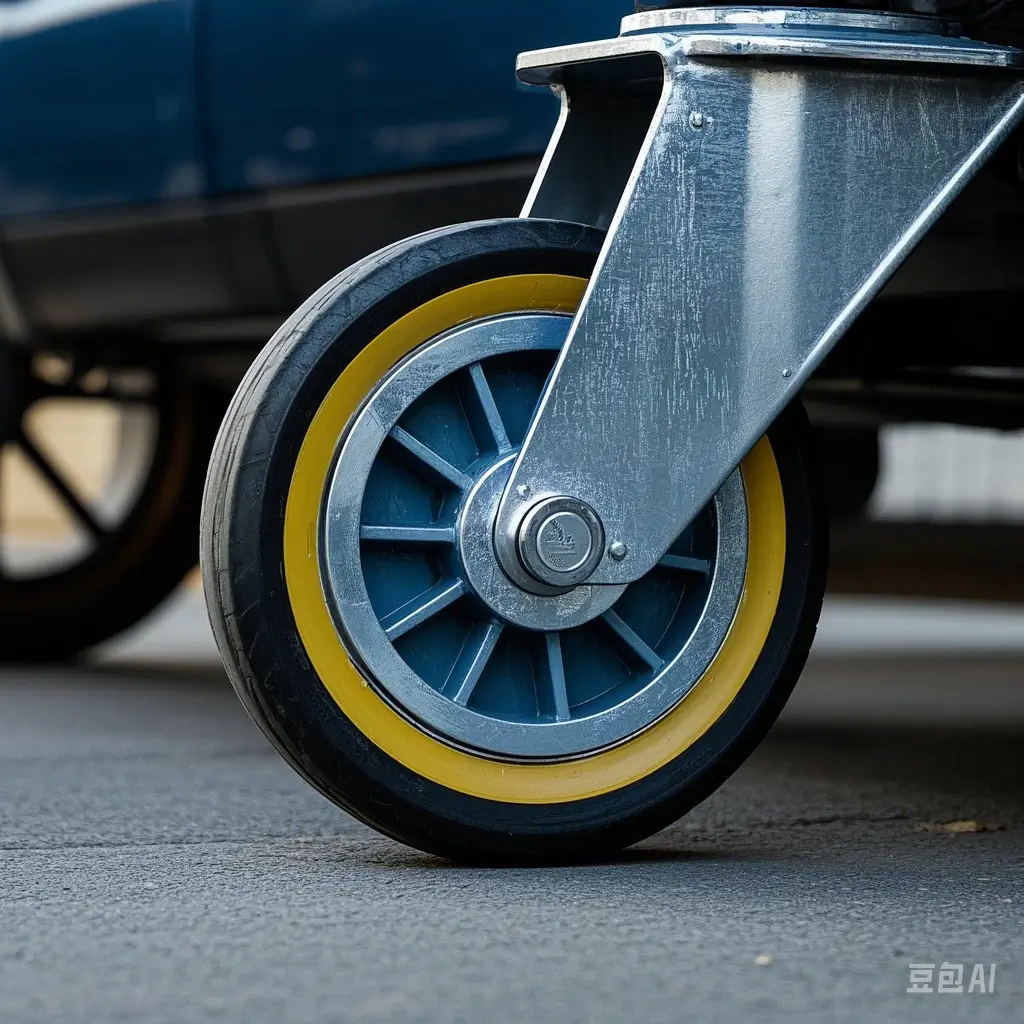
Outdoor use adds moisture, grit, uneven surfaces, slopes, and more impact than a clean indoor floor. For outdoor roller bearing caster wheels, review:
- bearing protection and lubrication access;
- wheel diameter and tread width for floor joints, gravel, or rough concrete;
- bracket finish or material for corrosion resistance;
- brake style if the equipment must stay parked on a slope or uneven floor;
- maintenance schedule for cleaning debris from the wheel and axle area.
For environment-specific selection, compare Inford’s outdoor caster wheels guide.
Brake and Swivel Considerations
Many roller bearing caster applications involve heavy carts or equipment that should not move unintentionally. A wheel bearing can improve movement, but a brake or directional control may be needed for safety and workflow.
- Wheel brake: helps stop wheel rotation when equipment is parked.
- Total lock brake: can lock both wheel rotation and swivel movement on suitable caster models.
- Directional lock: helps a swivel caster track straighter when moving longer distances.
- Rigid and swivel mix: often improves control on carts that need both steering and straight-line movement.
If brake selection is part of the project, see Inford’s swivel caster with brake guide.
Maintenance Checklist for Roller Bearing Caster Wheels
Roller bearing casters perform best when the bearing, axle, wheel tread, and mounting hardware are kept in good condition.
- Remove string, packing material, metal shavings, or debris from the wheel and axle area.
- Check whether the wheel spins freely without side play, grinding, or uneven resistance.
- Inspect tread wear, flat spots, cracks, embedded debris, and chemical damage.
- Confirm that axle nuts, mounting bolts, and brake parts remain secure.
- Use lubrication only when it matches the caster design and the operating environment.
- Replace wheels or casters when bearing looseness, tread damage, or bracket distortion affects safe movement.
Product Example: Matching the Wheel to the Job
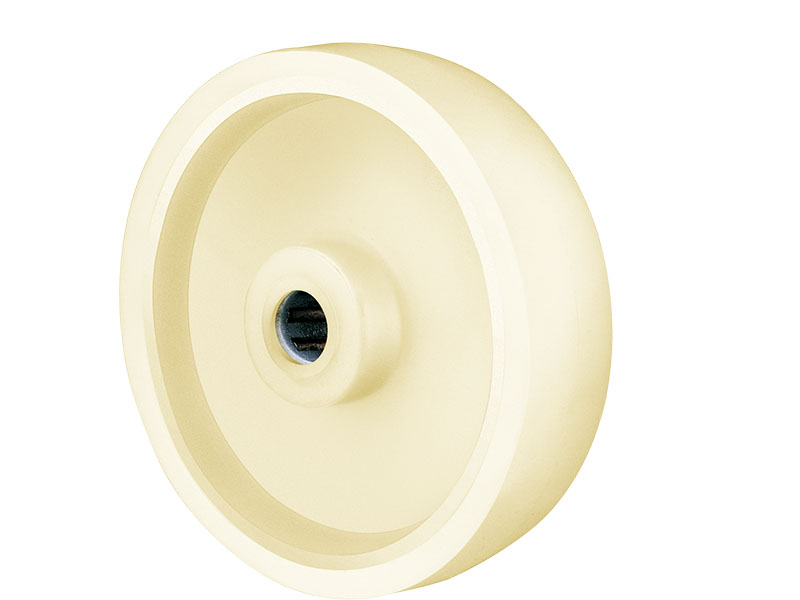
The right wheel is application-specific. A product image can help compare wheel diameter, tread shape, core material, and mounting arrangement, but the final choice should still be based on load, floor, movement frequency, brake needs, and environmental exposure. If replacing an existing caster, confirm wheel diameter, axle size, overall height, top plate or stem details, and clearance before ordering. Inford’s caster wheel measurement guide can help with these checks.
Roller Bearing Caster Wheel Selection Checklist
Before choosing a roller bearing caster wheel, document:
- total equipment and payload weight;
- number of casters and expected load distribution;
- floor type, floor condition, thresholds, slopes, and debris exposure;
- wheel material, wheel diameter, tread width, and bearing type;
- mounting type, top plate size, bolt pattern, stem size, or axle details;
- brake, swivel lock, directional lock, or rigid caster requirements;
- cleaning, lubrication, and inspection routine.
Frequently Asked Questions
Q: When should I choose roller bearing caster wheels instead of plain bearing wheels?
Choose roller bearing caster wheels when the equipment is loaded, moved repeatedly, and needs lower rolling effort. Plain bearing wheels may still fit simple, low-speed, intermittent, or rugged applications where cost and simplicity matter.
Q: Do roller bearing casters increase load capacity?
The bearing can support smoother wheel rotation under load, but load capacity is determined by the whole caster assembly. Always check the wheel, axle, fork, swivel section, mounting method, and floor condition.
Q: Can roller bearing caster wheels be used outdoors?
They can be used outdoors when the wheel, bearing protection, bracket material, and maintenance plan match the environment. Moisture, grit, and rough ground can shorten service life if the caster is not selected for those conditions.
Q: What causes a roller bearing caster to feel rough?
Common causes include debris around the axle, worn tread, poor lubrication, corrosion, axle damage, side loading, or a bearing that no longer fits the wheel correctly.
Q: Should I choose swivel or rigid roller bearing casters?
Use swivel casters when steering and turning are needed. Use rigid casters where straight-line tracking matters. Many carts use a combination of swivel and rigid casters for better control.
Key Takeaways
- Roller bearing caster wheels can reduce rolling effort in many heavy-duty and frequently moved applications.
- The bearing type is only one selection factor; wheel material, load, mounting, floor, and brakes matter just as much.
- Outdoor or dirty environments require attention to bearing protection, cleaning, corrosion resistance, and maintenance.
- For safer selection, document load, floor, movement frequency, mounting details, and brake needs before ordering.
Find Roller Bearing Caster Wheels for Your Application
Inford can help compare roller bearing caster wheels for carts, industrial equipment, fixtures, racks, and heavy-duty movement projects.
→ View Caster Products | → Explore Industrial Caster Solutions | → Request Caster Guidance